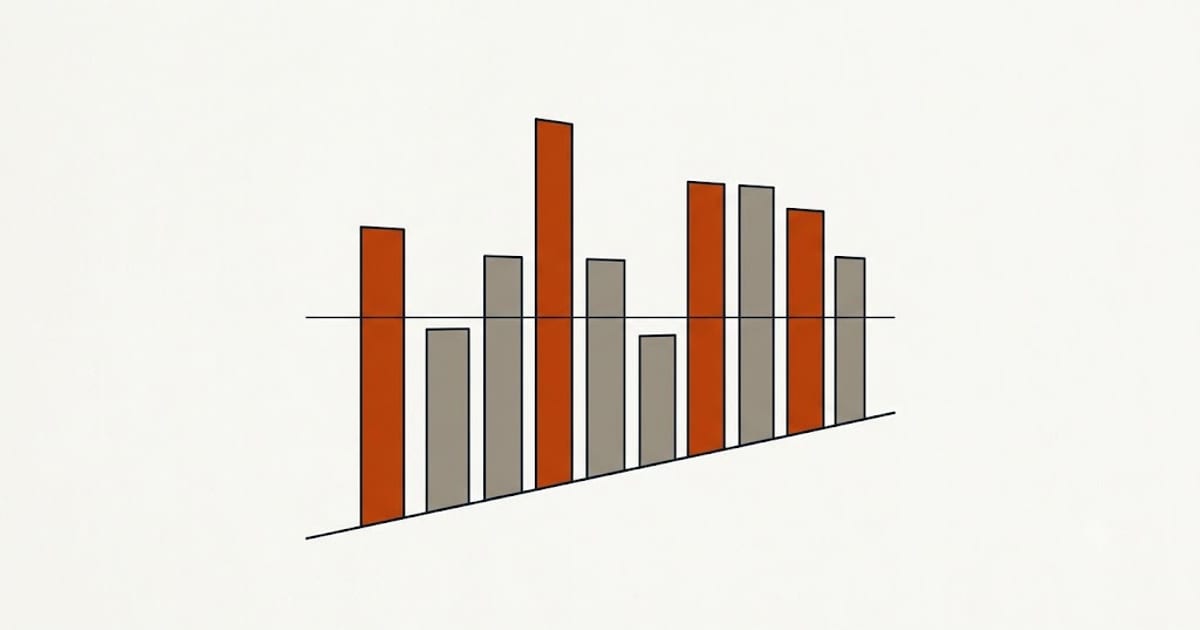
Every state runs a small claims division with a jurisdictional limit — the most it will hear. Across the country the caps run roughly $2,500 at the low end to $25,000 at the high end, with most states between $5,000 and $10,000.
The limit is a statutory number that changes when a legislature changes it, so the figure to rely on is the one published by the court you would file in.
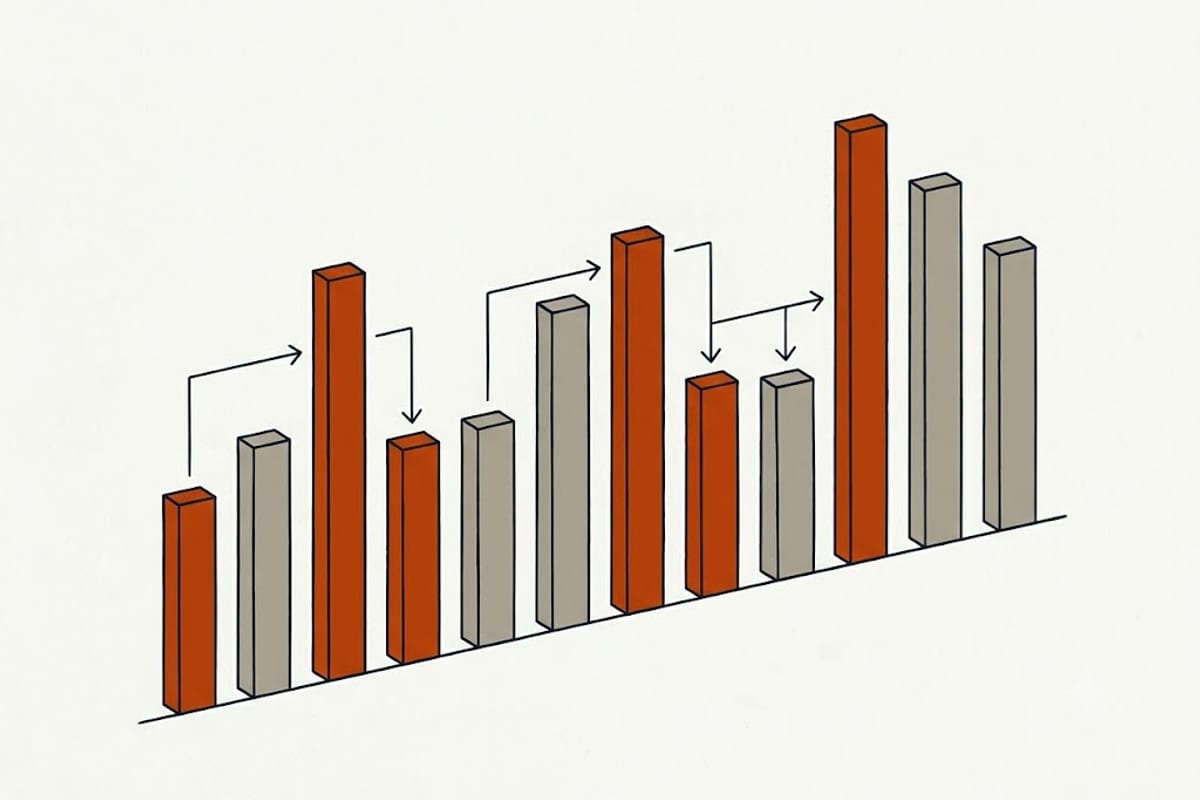
If your claim is over the cap
Two options, and the second is the one people take without understanding it.
File in the regular civil division. No cap, but formal procedure, formal rules of evidence, and in practice a lawyer. Filing fees are higher and the timeline is measured in months rather than weeks.
Waive the excess and file in small claims. You give up the amount above the cap permanently. A $9,000 claim in a state with a $7,500 limit becomes a $7,500 claim, and the remaining $1,500 cannot be recovered afterwards in a second action.
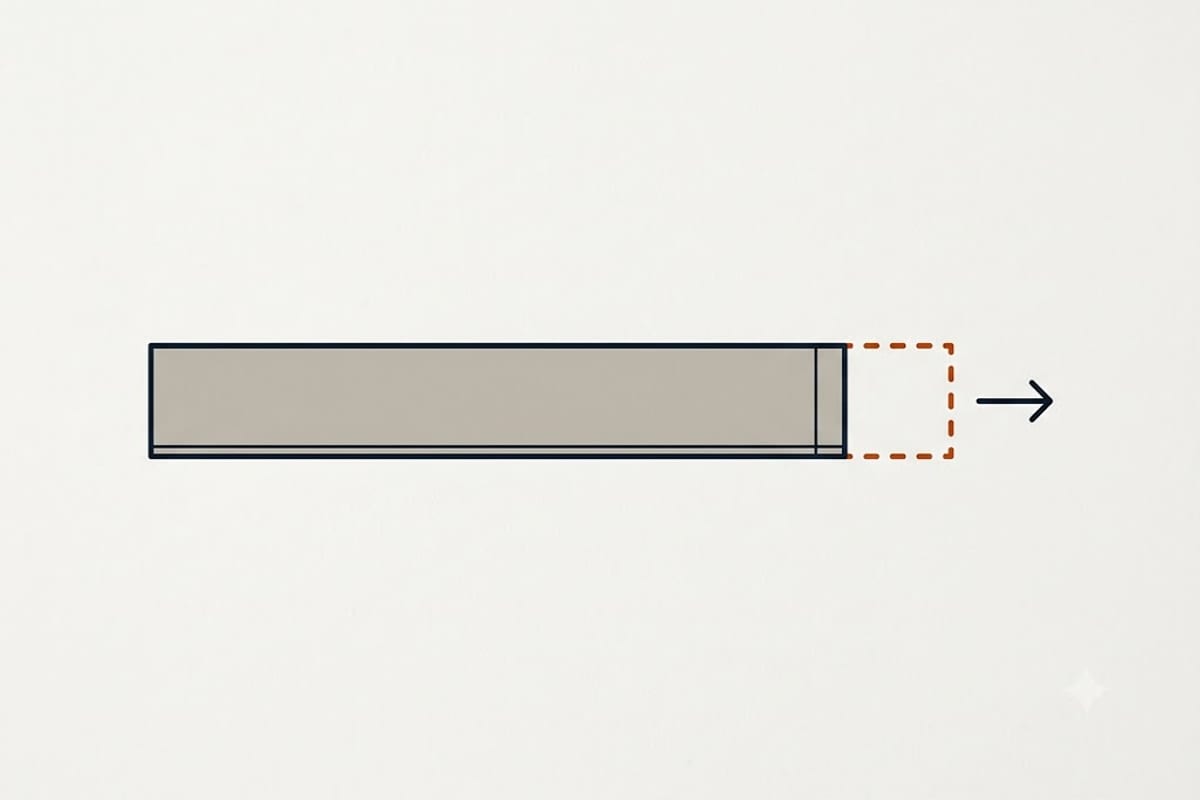
Waiving is often the right choice. Small claims is faster, cheaper, and does not require representation; $1,500 given up can be less than the cost of pursuing the full amount formally. But it is a decision, and it is irreversible.
Splitting one claim into two to fit under the cap is not allowed. Courts call it claim splitting and dismiss it.
Three rules that vary as much as the limit
Whether lawyers are allowed. Some states bar attorneys from small claims entirely, some allow them, some allow them only on appeal. This changes the character of the proceeding completely — a jurisdiction where the other side can bring counsel and you cannot afford one is a different venue from a jurisdiction where neither side may.
Who can appeal, and what an appeal means. In some states only the defendant may appeal. In several, an appeal is a completely new trial in a higher court rather than a review — which means winning below guarantees nothing and the whole matter is heard again.
What kinds of claim are excluded. Small claims typically handles money claims only. Evictions, defamation, family matters and claims for specific performance are commonly excluded, and property claims are treated differently in different states.
What filing actually costs
Filing fees are usually modest, commonly $30 to $100, often scaled by the amount claimed. Service of process — formally delivering the papers to the defendant — is a separate cost, either a sheriff's fee or a process server's, and it is frequently overlooked in a budget.
A winning plaintiff can normally recover court costs from the defendant. Recovering them is a separate step from being awarded them.
Winning is not collecting
The judgment is a piece of paper stating a debt. It does not transfer money.
Collection is a further process — garnishment, liens, levies — with its own filings, its own fees, and its own rules that vary by state. A defendant with no attachable income and no assets produces a judgment that is uncollectable in practice however clear the case was.
This is the question worth asking before filing rather than after: if I win, what will I collect against? A dispute with a solvent business is worth pursuing. A dispute with someone who has nothing may not be, regardless of the merits.
Check the current figure at the source
Limits and fees are statutory and they are revised. The court's own website — usually the state judiciary or the county clerk of court — publishes the current limit, the current filing fee schedule, and the local forms.
Clerks routinely answer procedural questions about which division to file in and what the fee is. They cannot give legal advice, and the distinction matters: "what is the limit" is a question they will answer, "should I file" is not.
Fee schedules everywhere in this area are built the same way — see how a traffic fine total is assembled and what a registration bill contains.
General information about how small claims jurisdiction works. Not legal advice, and limits change; confirm with the court you would file in.