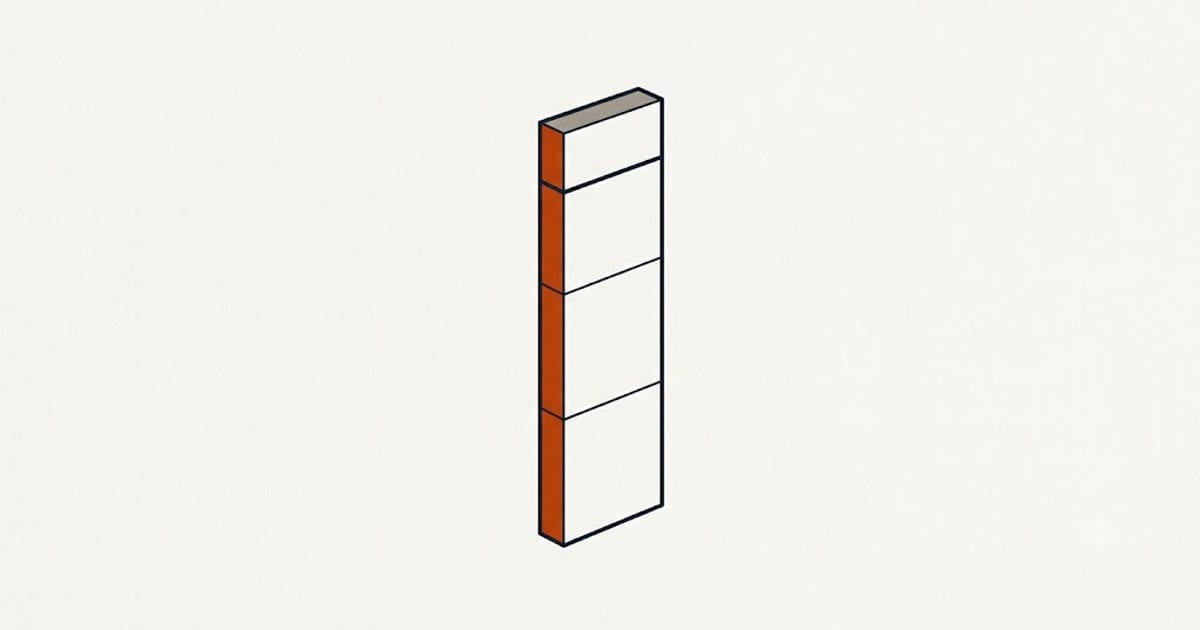
A Texas speeding ticket is commonly quoted at $150 to $350 all-in, but that total is assembled from parts, and only the smallest of them is what most people mean by "the fine".
How the total is built
| Component | Set by | Typical share |
|---|---|---|
| Base fine | Local court, scaled to speed over limit | $25–$200 |
| State court costs | State statute, fixed | $80–$140 |
| Local court costs | Municipality | $10–$60 |
| Administrative / technology fees | Court | $5–$40 |
The base fine varies with how far over the limit you were. The court costs generally do not — they are the same on a 10-over ticket and a 25-over one. That is why a minor ticket can feel disproportionately expensive: the fixed portion dominates it.

Texas also treats speeding in construction zones with workers present, and in school zones, as separate offences with substantially higher fines. Speeding over 95 mph is charged differently again.
The number that actually matters
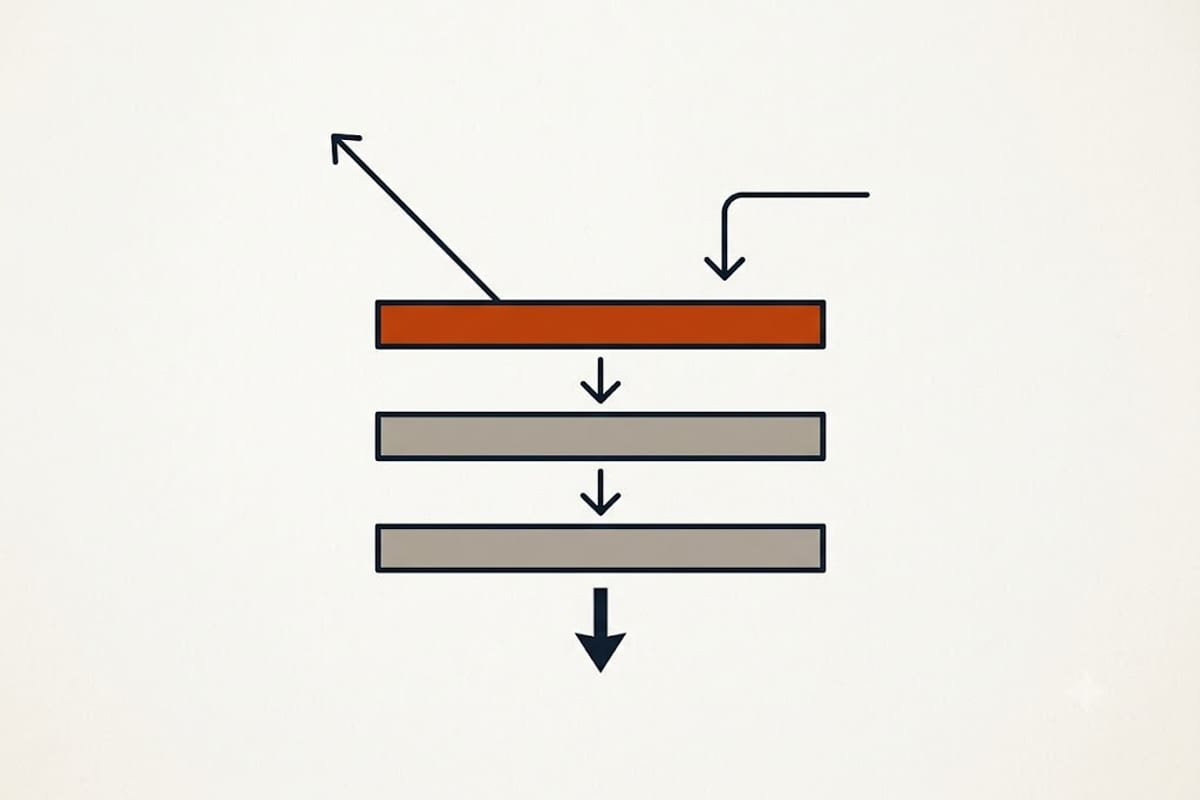
Insurance is where a ticket costs real money. A single speeding conviction commonly raises a premium by 20 to 30%, and it stays on the rating for three years in most cases.
On a $1,600 annual policy, a 25% increase is $400 a year — $1,200 over three years, against a $250 citation.
That ratio is the reason the deferred disposition and defensive driving options below are worth the effort even though they cost more up front than simply paying.
The three ways to resolve it
Pay it. Fastest, and it is a conviction. It goes on the driving record and to the insurer.
Defensive driving course. Available for eligible tickets. You pay the court costs plus the course fee, take the course, and the charge is dismissed — no conviction, nothing to the insurer. Eligibility generally excludes commercial licences, construction-zone offences and speeds well above the limit, and it can normally be used once a year.
Deferred disposition. A probationary period, usually 90 days, during which no new violation may occur. Complete it and the charge is dismissed. Fail it and the original conviction stands plus the deferral fee.
Both dismissal routes cost more than paying and are almost always cheaper once the insurance is counted.
Points, and how Texas differs
Texas assigns points on convictions and adds a surcharge when the total accumulates. What varies most between states is not the fine but this layer, and it is where an out-of-state driver gets caught: many states share conviction data, so a ticket in one appears on a record in another.
A ticket in another state generally follows you home. Ignoring one because it was issued far away is how a licence ends up suspended over a citation the driver had forgotten.
Verify the current figures before relying on any of them
Fine schedules, court costs and state fees are set by statute and by local courts, and they change — often annually, and sometimes mid-year.
The authoritative source is the citation itself and the issuing court's own fee schedule, both of which state the amount due for that specific offence in that specific jurisdiction. Any figure on a website, this one included, is a description of how the total is assembled rather than a quote.
Two things worth doing before the response deadline printed on the citation: ring the court and ask which dismissal options this particular charge is eligible for, and ask what the total would be under each. Both answers are free, and the deadline is short — missing it converts an ordinary ticket into a failure-to-appear, which is a separate and considerably worse problem.
Vehicle fees follow the same layered structure — a registration total is also several charges added together — and both differ by state on rules set in statute rather than by any national standard.